

Why demarcating MPAs matter
- Naomi
- May 9
- 2 min read
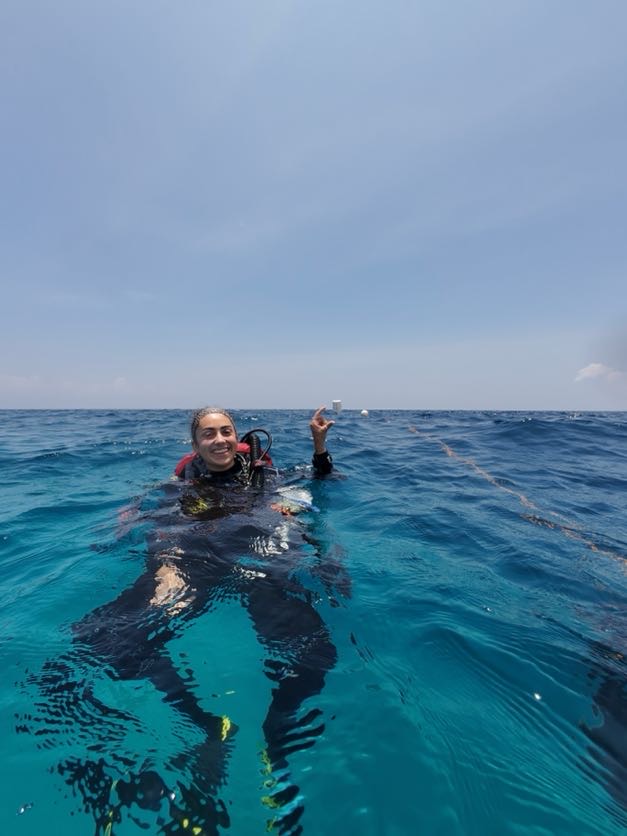
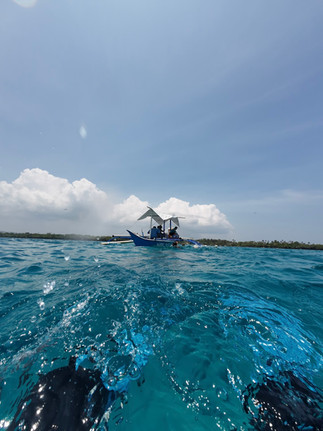
On April 17, I had the opportunity to assist in the demarcation of Caticugan Marine Sanctuary. I arrived at the site in the morning and was met with many people bustling around, getting everything in order and going over the plan for the morning. I put together my scuba gear and climbed into a small boat to head out to the far corner of the MPA. I was one member of a three person dive team tasked with fixing two ropes to a sinker on the seafloor. These ropes were connected to buoys that marked the MPA’s border. As a marine biologist and dive instructor a huge part of my life is centered around marine ecosystems, so I was really excited to be able to assist in this project to help the MPA.
Caticugan, like the other marine sanctuaries on Siquijor Island, is a locally managed no-take zone. This means that fishing and other extraction is completely banned within the MPA. This allows fish to flourish within the bounds of the marine sanctuary, leading to a healthier and more robust ecosystem. Anyone who has been snorkeling or diving in Caticugan can clearly see the benefits. Fish are abundant and diverse; I love diving at Caticugan because I have good odds of spotting favorites like midnight snappers and juvenile sweetlips. It’s up to the local community and municipal government to manage and enforce the marine sanctuary. Without clear boundaries this is nearly impossible; if the MPA’s boundary is not clearly marked, fishermen can be unaware of where the no take zone starts, and it becomes even more difficult to enforce this boundary from illegal fishing.
While putting up a few buoys may sound easy, in reality a lot of challenges come along with demarcation. The dive itself was not simple. The sinker was 37 meters deep, which is very close to the depth limit for recreational scuba diving. At this depth you go through air three times more quickly than at the surface, you only can safely stay for about ten minutes without risking decompression sickness, and you are likely to have impaired judgment and slow reaction time due to nitrogen narcosis. It was important that our team be made up of experienced and efficient divers to accomplish the task while staying within our limits.
The thing that has stuck with me most since that day was how clearly important the MPA is to the community. So many people were present that day to make the project a success, from the boat crew to the team of free-divers fixing shallower buoys, to everyone working behind the scenes to organize materials and people. It was obvious that people are deeply connected to the marine sanctuary and dedicated to its success, and I was honored to be part of that in some small way.







Are you curious about Caticugan Marine Protected Area? You may go read CRCP's past reports to learn more about the incredible coral and fish diversity that this MPA host. Click here.

Comments